
Are Winter Tires Worth It in Minnesota?
If you drive in the Twin Cities all winter, yes, winter tires are worth it. Twin Cities temperatures regularly fall below 45°F for roughly five months of the year…and that's where winter tires grip, stop, and turn better than all-seasons. There are exceptions: if you rarely drive in winter and can stay home when it storms, all-weather tires may be enough.
Whether you've driven through 30 Minnesota winters or you're bracing for your first, here's the straight story from our St. Paul auto repair shop: what winter tires are, whether Minnesota drivers really need them, when to switch, what they cost, and the alternatives worth a look.
What are Winter Tires?
Winter tires and snow tires are the same thing. You'll hear both names around town, and they're used interchangeably.
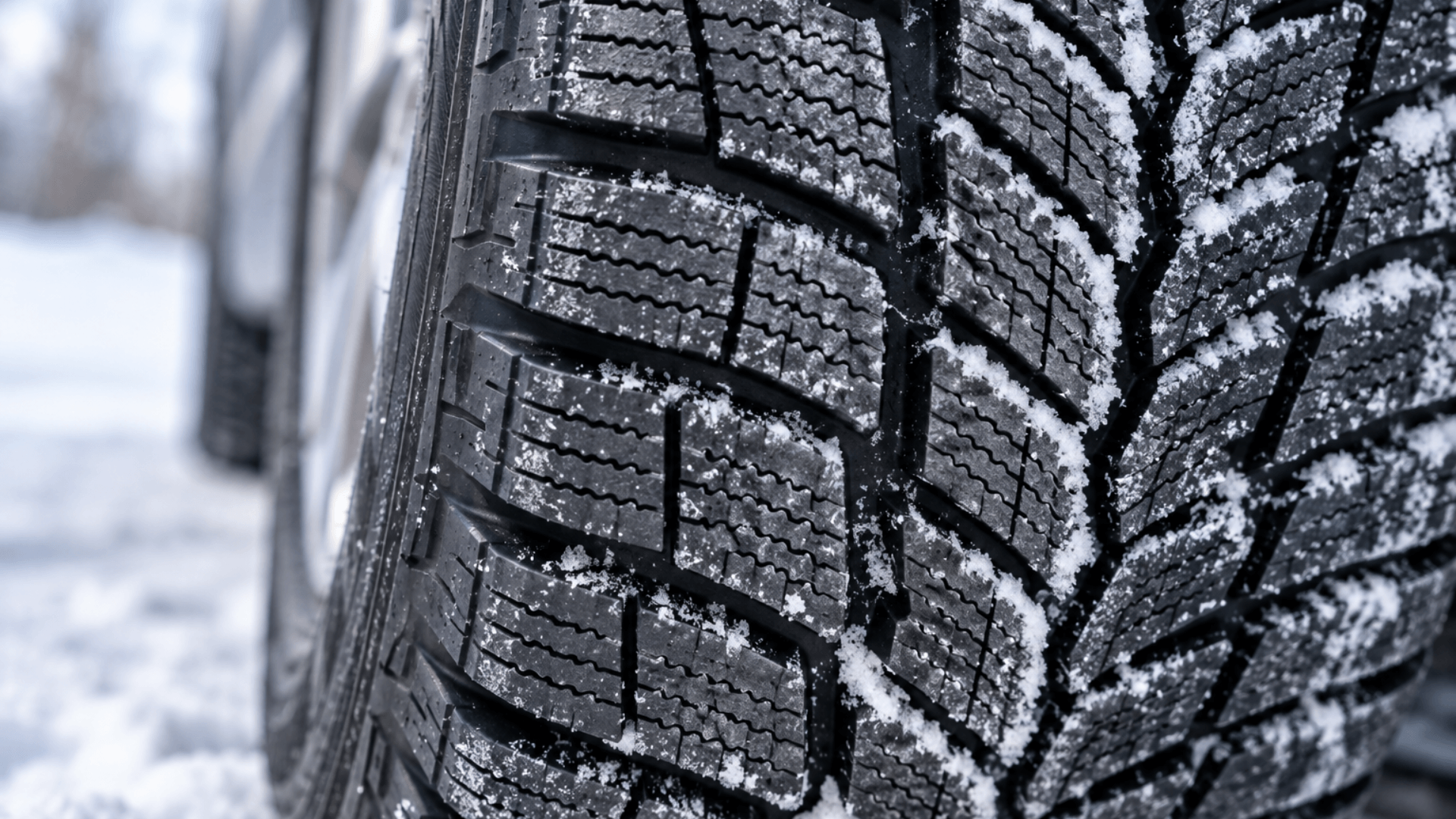
What sets them apart is what they're made of and how they're shaped. Winter tires use a rubber compound that stays soft and flexible below about 45°F, right where all-season rubber starts to stiffen and lose grip. Their tread has deeper grooves to clear slush, plus lots of small slits called sipes that bite into snow and ice.
How to identify a winter tire
Every winter tire carries the three-peak mountain snowflake symbol on its sidewall, which means it passed a severe-snow traction test.
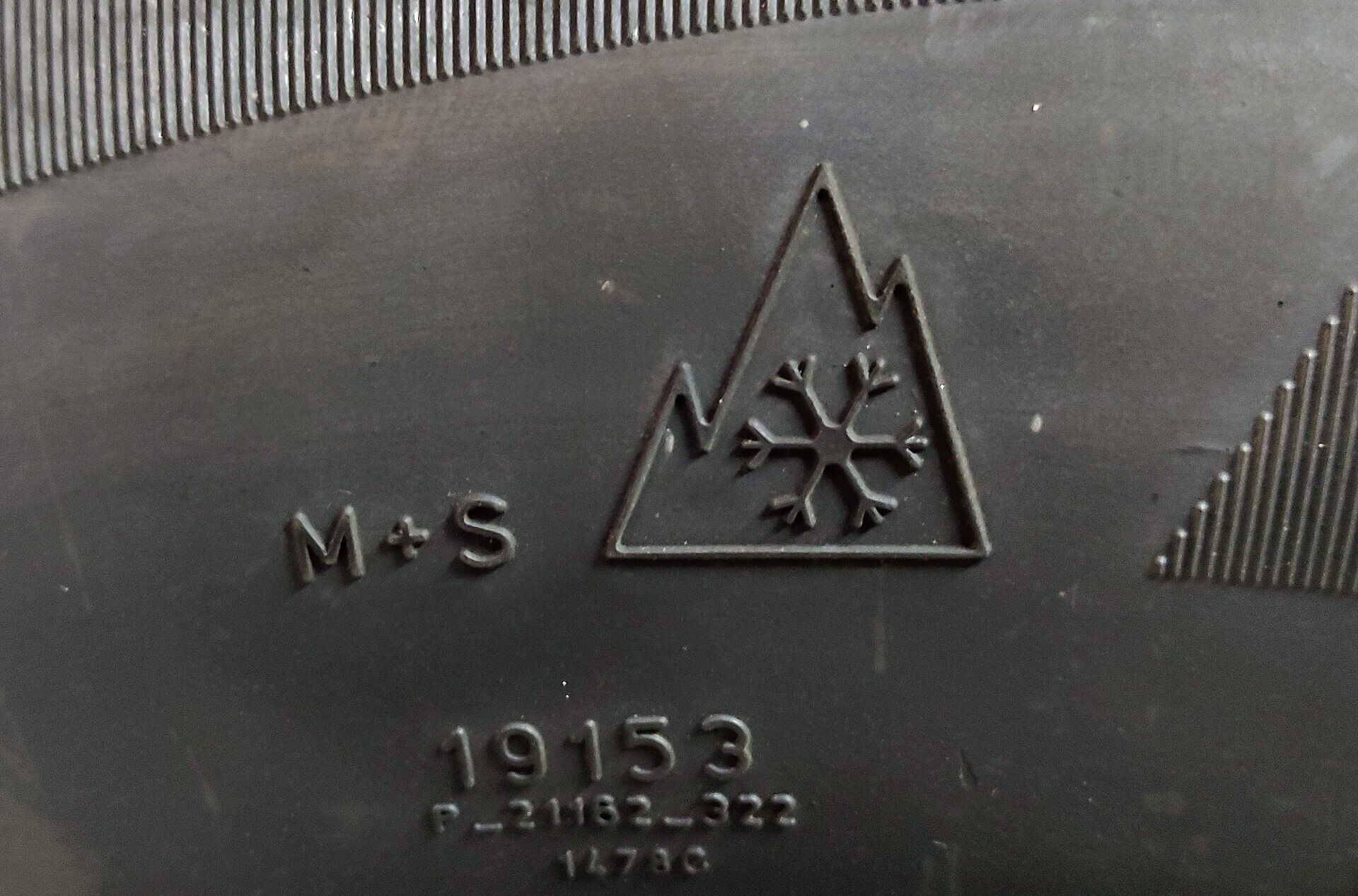
M+S (mud and snow), a marking based on tread design rather than winter testing, doesn't qualify on its own. The symbol isn't proof on its own, though, because some all-weather and all-terrain tires carry it too. A true winter tire is sold as a winter tire.
Not sure what's on your car? Ask us, and we'll take a look.
Do winter tires make a difference?
Winter tires do make a difference, and it's measurable. Canadian research cited by Kelley Blue Book found braking distances on winter tires were as much as 30% shorter than on all-season tires.
The difference isn't limited to snow days. Winter rubber keeps its grip on cold pavement whether it's snowy, icy, wet, or dry.
What about all-wheel drive? AWD is great for getting going. It sends power to all four wheels, so you're less likely to get stuck. But it doesn't help you stop or steer, and that's where your tires do the work. An AWD SUV on all-seasons still stops on all-season grip.
Benefits of winter tires
Here's what that looks like on a typical Twin Cities winter drive:
- Shorter, more controlled stops at icy intersections and off-ramps
- More predictable cornering on snow and slush
- Better grip on cold, dry pavement, not just after a storm
- Your regular tires accumulate fewer miles, which helps offset some of the added cost of owning a second set
That last one surprises people, and it's a big reason the cost works out better than most expect.
do you need winter tires in minnesota?
For most Twin Cities drivers, all-season tires alone aren't enough for a Minnesota winter. Winter tires provide a meaningful safety advantage over all-seasons.
Winter tire rubber is built for temperatures below about 45°F. According to NOAA climate normals, the Twin Cities averages daytime highs in the 20s to low 40s from November through March. That's roughly five months a year when all-season tires are working outside their comfort zone.
It's not just the snow, either. Our freeze-thaw swings, with days above freezing and nights below, glaze roads with some of the slickest ice. AAA calls out this exact pattern as particularly dangerous.
What we see in the shop is that drivers who end up stranded or in winter accidents often have worn all-season tires or never switched to winter tires. Even if your commute sticks to well-plowed roads, the side streets can stay slick and unpredictable long after a storm.
Winter tires pay off most if you:
- Commute early, before plows and salt trucks finish their routes
- Have a new teen driver in the house
- Drive a rear-wheel-drive vehicle
And it’s worth mentioning that cold weather is hard on more than just your tires. If you've ever had a morning where the car won't start in the cold even with a good battery, you know. If it’s been a while since your battery, brakes, and fluids were last checked, a quick maintenance appointment can ensure you’re all set before the cold sets in.
when to swap tire sets
There's no fixed date; it depends on the weather. A good rule of thumb is to switch once daily temperatures settle around 45°F or below for about a week, or at the first stretch of cold, wet, or icy conditions. For a lot of Twin Cities drivers, that typically lands around November.
Take them off once temperatures routinely stay above 45°F, usually sometime in April. Minnesota likes a late-season surprise, so there's no prize for swapping during the first warm week of March.
can you drive on winter tires all year?
You can, but you should not. The soft rubber that grips so well in January wears down fast on warm summer pavement, and the extra drag makes your engine work harder, which costs you fuel economy.
how much should winter tires cost?
Expect roughly $600 to $1,200 for a set of four winter tires, plus installation.
One set of wheels or two? Keeping your winter tires on their own wheels makes each swap quicker and cheaper. Remounting them on your regular wheels skips the cost of extra wheels but costs more every spring and fall. If your car has a tire pressure monitoring system (TPMS), a second set of wheels may need its own sensors. Some cars don't, so ask us what yours needs.
You're not doubling your tire costs. While your winter tires are on, your regular tires aren't wearing down, so each set lasts longer. On the tires themselves, a $600 set that lasts five winters works out to about $120 per winter, before installation and seasonal swaps.
Thinking about winter tires for your car? Our tire and wheel services cover everything from new winter tires to seasonal swaps.
are winter tires worth it for you?
If you drive through a Twin Cities winter, especially early mornings, side streets, highways, or with a new driver in the family, winter tires are worth it. If you barely drive once the snow flies, a good set of all-weather tires may be all you need.
Winter tires aren't a guarantee. How you drive still matters, and that part is up to you. But they're one of the simplest steps you can take to make your car as safe as possible when Minnesota weather turns.
Yes, we sell tires. We'd still rather you get the right ones for how you drive, and we'll tell you if that means you don't need winter tires at all.
We'll Get You Prepared for Winter
We sell and install winter tires for all makes and models 2008 or newer. We can source almost any tire you're after, recommend options that fit your driving and budget, and give you an estimate before anything is ordered. Tires can often arrive the same day or the next. Already have a winter set? We do seasonal swaps all the time, and if your tires are ready to go, it's a waiting appointment of about an hour. Book online anytime.
winter tire faqs
Do I Need Four Winter Tires or Just Two?
Four. Putting winter tires on only the front or rear gives those wheels far more grip than the other two, and that mismatch can make the car hard to control. AAA warns that a half set can compromise stopping and steering, or even cause a spin-out.
Do Winter Tires Help on Ice?
Yes. Softer rubber and dense siping give winter tires noticeably more grip on ice than all-season or all-terrain tires. Since studded tires aren't allowed for Minnesota residents, a studless winter tire is the best ice option you can legally run here.
Are All-Season Tires Good in Snow?
They're fine in light snow, but they lose grip as temperatures drop and aren't designed for ice or heavy, packed snow. For year-round Minnesota driving, we recommend pairing them with a winter set.
Are All-Terrain Tires Good in Snow?
Many are decent in light snow, especially models that carry the three-peak mountain snowflake symbol. Check your sidewall, since not all of them do. Even snow-rated all-terrains have fewer sipes than winter tires, though, so they give up grip on ice.
Are All-Weather Tires Good in Snow?
Better than all-seasons. All-weather tires carry the three-peak mountain snowflake symbol and handle snow and cold pavement well enough to stay on year-round. They still give up grip on ice and deep snow compared with winter tires, so for most year-round Twin Cities drivers, we’d still go with a winter set.
What Is the Best Way to Store Tires Over Winter?
Keep them somewhere cool, dry, and dark, like a basement, away from direct sunlight and anything that gives off ozone, such as furnaces and electric motors. A few more tips:
- Clean them first to wash off road salt and brake dust
- Bag each tire in its own airtight plastic bag
- On their own wheels? Stack them flat or hang them
- Off the wheels? Stand them upright
- Mark each tire’s position so the set goes back on the right corner next season (if both swaps are done at Lancer, we keep track of this for you)
Short on space? Ask us. We’re happy to help you find a storage solution that works for you.
Related Posts