Winter Car Emergency Kit for Minnesota Roads: 20 Things to Pack
Every Minnesota driver has heard they should carry a winter car emergency kit. Fewer know exactly what belongs in one, or why the state's official list includes a coffee can.
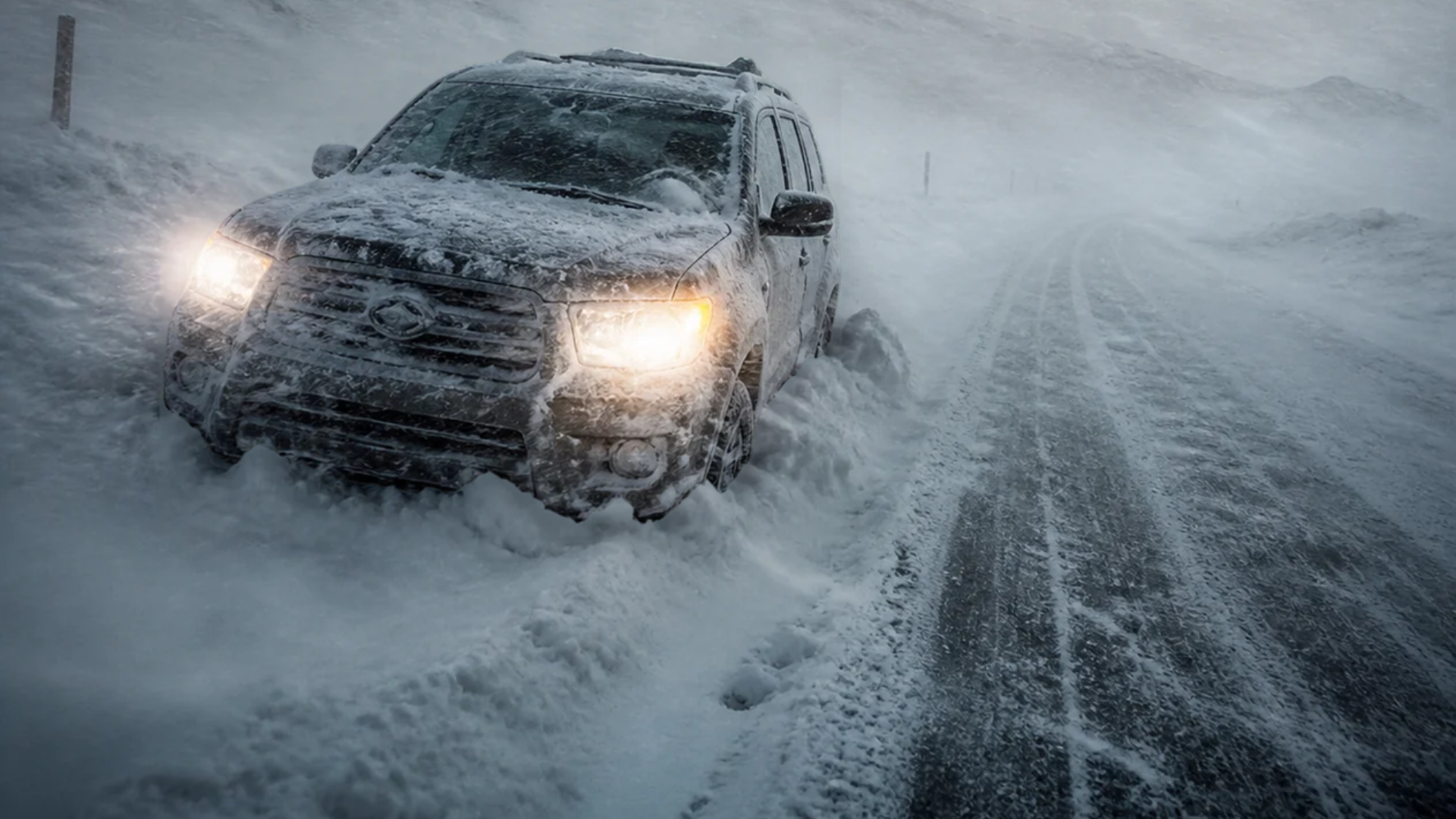
You don't need a blizzard to need one, either. The National Weather Service notes that
most winter crashes happen during light snowfalls, not big storms.
We're Lancer Service, a St. Paul auto repair shop, and we've helped local drivers through Minnesota winters since 1977. Here are the 20 things we'd pack, starting with what matters most and the job each one does. We'll also cover whether a store-bought kit is enough, and how to make it less likely you'll ever need it.
What Should Be in a Minnesota Winter Car Emergency Kit?
Whatever you put in a winter car kit, it needs to do four jobs: get you moving again, get you found, keep you warm, and help you wait safely.
If you pack nothing else, keep these in your car for winter: a phone charger, jumper cables or a jump starter, a blanket plus a spare hat and gloves, a small shovel with sand or kitty litter, and a flashlight with spare batteries.
The full winter car emergency kit checklist below builds on the
Minnesota Department of Public Safety's winter survival kit. Items 1–12 go in every car, and 13–20 are for long drives and deep cold.
Winter Car Kit Essentials
Start every winter emergency kit for your car with these 12 items, whether you're driving across town or across the state.
- Phone charger. Your phone is how you reach 911 or roadside help. Pack a charger or power bank that works in your car.
- Jumper cables or a portable jump starter. Cold is hard on batteries (more on that below). Cables need a second car to work. A charged jump starter doesn't.
- Ice scraper and snow brush. Clear the windows, lights, roof, and hood before you drive, not just a peephole in the windshield.
- Small shovel. For digging out around your tires and keeping your exhaust pipe clear if you're stuck.
- Sand or non-clumping kitty litter. Pour it under your drive wheels for traction when you're stuck on ice or packed snow.
- Flashlight and spare batteries. Using your phone as a flashlight drains the battery you need for calls.
- Road flares or reflective triangles. Once you're stopped, the state's Department of Public Safety warns that your greatest threat is being hit by passing cars. Flares and triangles tell drivers you're there.
- Blanket or sleeping bag. If your engine can't run, this is your main source of warmth, so pack enough for every passenger.
- Spare hat, gloves, socks, and boots. Pack them in everyone's sizes, kids included. For long highway drives, add a snowmobile suit.
- First aid kit. Add any medication your family takes daily.
- Water. Leave room at the top of each bottle so it doesn't split if it freezes.
- High-energy snacks. Energy bars, nuts, or candy bars keep you fueled while you wait.
Minnesota Winter Survival Kit Extras
These are the items on the state's list that make people do a double take. They round out a winter car survival kit for long drives out of state and the coldest nights, and each one has a specific job.
- A 3-pound coffee can with a lid, small candles, and matches. The can keeps small items together. Paired with a candle, it's how you melt snow into drinking water, since eating snow lowers your body temperature. Keep a window cracked whenever a candle is lit.
- Two large garbage bags and safety pins. Slip your feet into the bags and pin them in place for an extra layer of insulation.
- Red bandanna or brightly colored cloth. Tie it to your antenna, or shut it in the window facing the road, so rescuers can spot your car.
- Whistle. It carries farther than shouting and takes less energy.
- 30-foot cord, plus a pencil and paper. These are for the rare case when you have to leave the car. The cord is a homing line back to it. The paper is for a note in the windshield with your name, phone number, and the direction you went. Staying with your car is still the safest choice.
- Small knife and plastic spoons. For opening packages and eating what's in your kit.
- Hand and toe warmers. Cheap, small, and easy to tuck into gloves and boots.
- Tow strap or chain, plus basic tools. If someone stops to pull you out, you'll have what they need. Check your owner's manual for the right tow points.
Should You Buy a Winter Car Emergency Kit or Build Your Own?
Either works. We don't sell kits, so here's our straight take: a pre-made kit is a good start, but it's rarely a finished one.
Boxed kits usually cover the basics, like cables, a flashlight, first aid supplies, and an emergency blanket. What no box can include is what makes a kit yours: warm layers in your family's sizes, your daily medications, and enough food and water for everyone who rides with you.
If you buy one, check for three things: a shovel you could actually dig with, jumper cables long enough to reach another car's battery, and warmth beyond a foil blanket.
Building a DIY emergency kit takes a little longer, but you choose heavier-duty gear and know exactly what's inside.
Whichever route you take, open it up and check it against the list above. The best winter car emergency kit is the one you've actually looked through.
Prep Your Car So You're Less Likely to Need the Kit
The kit is the backup plan. The first plan is a car that starts, grips the road, and keeps you warm.
- Battery. AAA explains how cold weather saps a battery's strength: it loses about 35% at 32°F and about 60% at 0°F, while the engine can need up to twice the current to start. Have any battery over three years old tested before the first cold snap. If your car won't start in the cold but the battery is good, something else may be to blame.
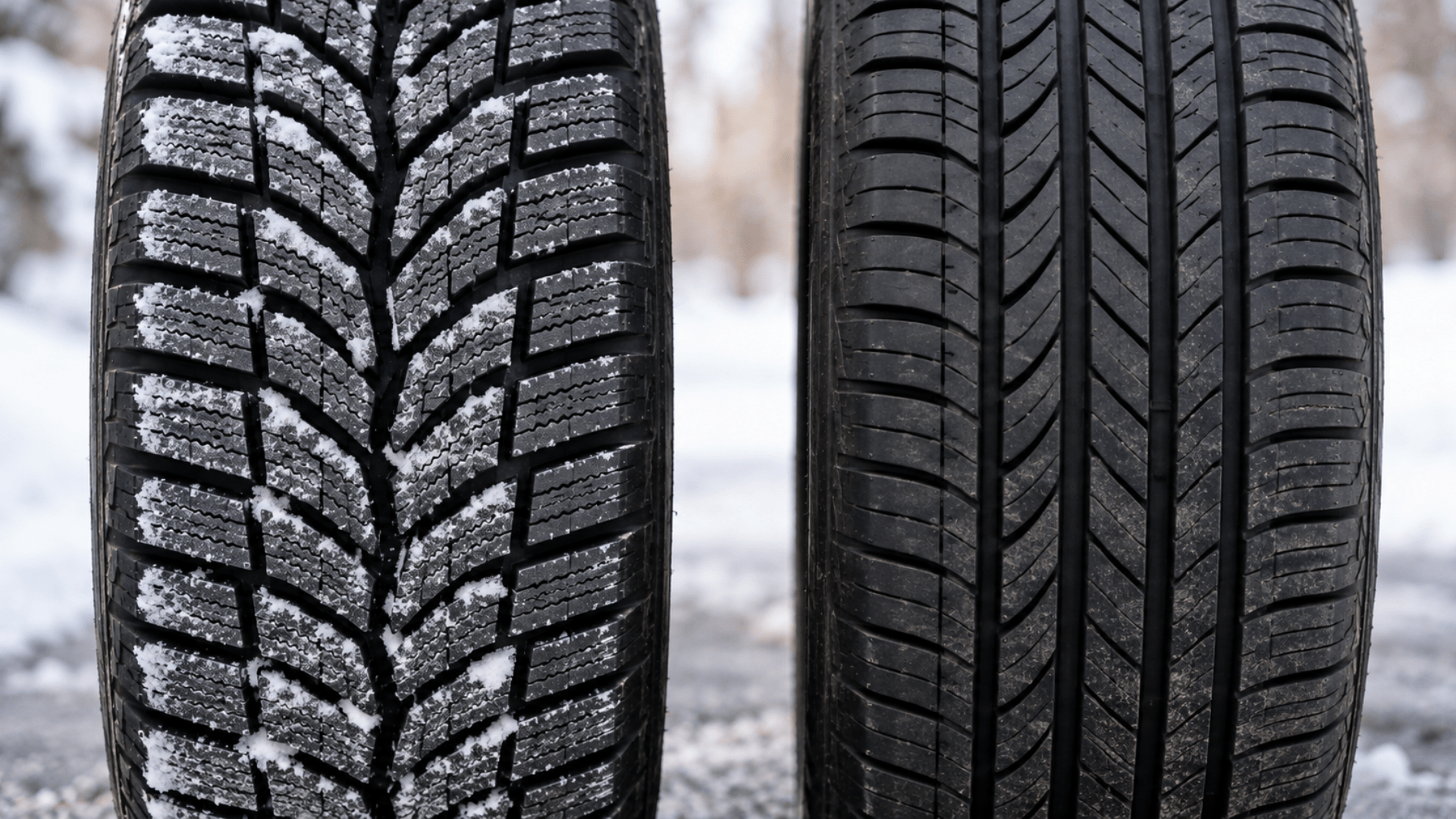
- Tires. Still on all-seasons? See whether winter tires are worth it in Minnesota.
- Heater. Blowing lukewarm air? Find out why your car heater isn't working before you have to rely on it.
- Fuel. Keep the tank at least half full to avoid a gas line freeze. A fuller tank also gives you more time to stay warm if you're stuck.
Get Your Car Winter-Ready in St. Paul
Pack the list, then give the car that carries it the same attention.
Before the first subzero morning, let our ASE-certified technicians look your car over during a regular maintenance visit. You'll get photos of anything we find and a straight answer on what needs attention now and what can wait. Book online any time.
Winter Car Emergency Kit FAQs
Is a Winter Car Kit Different From a Regular Car Emergency Kit?
Yes. A regular car emergency kit covers problems that can happen any time of year, like a dead battery or a minor injury. A winter kit adds a layer for snow, traction, and warmth: a shovel, kitty litter, a scraper, blankets, and extra clothes. Keep the year-round kit in the car, and add the winter gear when the snow starts.
Where Should You Keep Your Winter Car Emergency Kit?
In the passenger compartment, not the trunk. If the trunk freezes shut or drifting snow blocks it, you can still reach everything. Keep a kit in every vehicle, including the one your teen drives, and check it each fall: fresh flashlight batteries, restocked snacks and water, and clothes that still fit.
What Should You Do If You Get Stuck in Winter?
Pull as far off the road as you can, turn on your hazards, and call 911. Stay in the car. Clear snow from the exhaust pipe, then run the engine for heat for a few minutes about once an hour, or every half hour in extreme cold, with a window slightly open. In a fully electric car, there's no tailpipe to clear.
Related Posts